
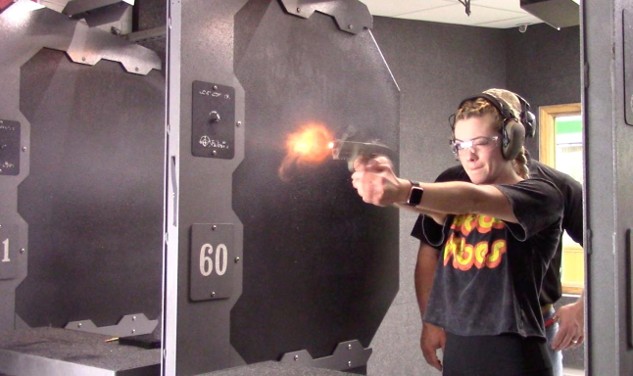
Heading to the shooting range is always a fantastic way to spend the afternoon. You get to practice your skills while connecting with other shooting enthusiasts. But sometimes, your firearm might not work exactly as planned. Every shooter deal with a jam or a misfire at some point, so it’s important to know how to handle these moments. H&H Shooting Sports is proud to provide this firearm troubleshooting guide to keep everyone safe and get you right back to the fun on the range in Oklahoma City, OK.
Understanding Shooting Malfunctions
Shooting malfunctions occur when something interrupts a firearm’s normal cycle. The typical sequence includes feeding a cartridge, chambering it, locking, firing, unlocking, extracting the spent casing, and ejecting it. If any of these steps fail, the firearm stops working.
When you know how the parts work together, diagnosing the problem becomes simple. Most issues result from bad ammunition, a dirty chamber, or a simple user error like a loose grip.
Common Gun Malfunctions Explained
To become a confident shooter, you must recognize the most frequent problems. Here are some common types of firearms malfunctions you might experience on the range:
- Failure to Feed – The cartridge gets stuck on its way from the magazine into the chamber. This often happens if the magazine isn’t seated correctly.
- Failure to Fire (Misfire) – You pull the trigger and hear a click, but the gun doesn’t go off. A faulty primer in the ammunition usually causes this.
- Failure to Eject (Stovepipe) – The spent casing gets caught in the ejection port. It sticks out to the side, looking just like a tiny stovepipe.
- Double Feed – The firearm tries to load a new cartridge while the old one is still stuck in the chamber.
- Squib Load – A bullet gets stuck halfway down the barrel because the powder didn’t burn properly. This is very dangerous and requires immediate attention.
How to Fix Gun Jams Safely
Knowing how to fix gun jams will keep your range day moving along smoothly. For most standard jams, shooters use a method called “Tap, Rack, Assess.” The process is as follows:
- Start by firmly tapping the bottom of the magazine to ensure its locked perfectly in place.
- Next, pull the slide all the way back and let it snap forward. This racking action forcefully ejects the problem casing and loads a fresh cartridge.
- Finally, assess your target and decide whether to continue shooting.
If you have a double feed, the process requires a little more effort. Lock the slide to the rear, completely remove the magazine, rack the slide a few times to clear the chamber, and then reload a fresh magazine.
Pistol Malfunction Solutions for Better Performance
Pistols can sometimes be sensitive to how you hold them. If you want great pistol malfunction solutions, start by looking at your grip. A loose grip – often called “limp wristing” – absorbs the energy the pistol needs to cycle properly. This easily causes stovepipes and feeding failures. Hold the pistol firmly with both hands to give the slide a solid foundation to move against. Additionally, always push the magazine into the pistol until you hear a clear, positive click.
Prevention Tips to Avoid Shooting Malfunctions
The best way to handle a jam is to stop it from happening in the first place. Regular maintenance is the key to reliability:
- Clean your firearm after every trip to the shooting range. Wipe away the carbon buildup and apply a light coat of high-quality oil to the moving parts.
- Always buy reputable, factory-new ammunition for your practice sessions. Cheap or damaged ammunition causes the vast majority of misfires and squib loads.
- Check your magazines regularly for worn-out springs or damaged feed lips.
Gun Safety and Malfunction Handling
Gun safety and malfunction handling always go hand in hand. Whenever a firearm stops working, your priority should be safety:
- Always keep the muzzle pointed in a safe direction, which usually means pointing it straight down the range.
- Keep your finger completely off the trigger and resting on the frame.
- If you experience a misfire, keep the gun pointed downrange for at least 30 seconds. Sometimes, a cartridge experiences a delayed ignition, called “hang fire.” Waiting keeps you totally safe just in case the round goes off late.
FAQ About Shooting Malfunctions
What Should I Do If a Bullet Gets Stuck in the Barrel?
Stop shooting immediately. Keep the gun pointed in a safe direction, unload it completely, and seek help from a qualified gunsmith to remove the stuck bullet safely.
Why Does My Empty Casing Get Stuck in the Slide?
This is called a stovepipe malfunction. It usually happens because of a loose grip, underpowered ammunition, or a dirty firearm that slows down the slide.
How Often Should I Clean My Firearm to Prevent Jams?
You should clean your firearm after every trip to the range or every few hundred rounds. Regular cleaning removes the carbon and dirt that cause moving parts to stick.
Can Old Ammunition Cause My Firearm to Malfunction?
Yes. Moisture damages the primer and gunpowder, leading to misfires and unpredictable performance.
Is It Safe to Fix a Jam by Myself at the Shooting Range?
Yes. As long as you keep the firearm pointed downrange and your finger off the trigger. If you feel unsure, simply place the firearm on the bench and ask a range safety officer for help.
Contact Us for Gun Safety Advice Today
Handling malfunctions properly builds your confidence and makes you a much better shooter. If you want to learn more about firearm troubleshooting in Oklahoma City, contact us at H&H Shooting Sports today.
