
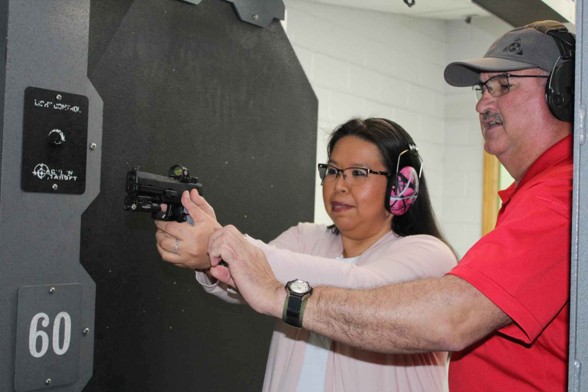
You don’t always need to head to the shooting range to become a better shooter. Some of the best practice can happen from the comfort of your home. Dry-fire training is a tremendous way to build your skills, save money on ammo, and gain confidence. Mastering the basics without any noise or kickback is often the secret to success. When you need friendly advice, rely on the experts at H&H Shooting Sports in Oklahoma City, OK. We love helping shooters of all skill levels improve.
Why Dry-Fire Training Works
Dry-fire training isolates your mechanics. When you remove the noise and recoil of live ammo, you can focus on your firearm grip, sight alignment, and trigger control. This practice:
- Builds Muscle Memory – Repeating the right motions trains your hands to do them automatically.
- Saves Money – Ammunition isn’t cheap and practicing at home costs nothing.
- Cures Flinching – Without the anticipation of recoil, you can train yourself to pull the trigger smoothly.
Setting Up for Safe Practice
Before you start your shooting drills at home, you must create a perfectly safe environment:
- Unload Your Firearm – Check the chamber and magazine well. Then check them again. Leave all live ammo in another room.
- Choose a Safe Backstop – Aim at an interior wall that could safely stop a bullet if the unthinkable happened, like a brick fireplace or a basement wall.
- Remove Distractions – Turn off the television and tell your family that you’re practicing. Focus is key.
- Say It Out Loud – Say, “I’m starting dry-fire practice.” When you finish, put the gun away and say, “Dry-fire practice is over.” This creates a clear mental boundary.
Effective Dry-Fire Techniques
To get the most out of your time, you need effective dry-fire techniques. Just pulling the trigger repeatedly will not help much. Be intentional with these approaches:
- The Penny Drill – Place a coin or an empty brass casing on your front sight. Pull the trigger. If the coin falls, your trigger pull is not smooth enough. Keep trying until the coin stays put.
- Wall Drill – Stand a few inches away from a blank wall. Focus entirely on your front sight and pull the trigger. Because there’s no target to distract you, you’ll easily see if your sights dip or move.
- Perfect Grip – Spend time just drawing your handgun and establishing a firm, high grip. A great grip solves most shooting problems before they start.
Dry-Fire Practice Drills That Deliver Results
Do you want to take things to the next level? Add these dry-fire practice drills to your routine:
- Draw to Shoot First – Practice safely drawing from your holster, pressing out to the target, and smoothly pulling the trigger. Start slowly, then slowly add speed.
- Reload Drills – Use dummy rounds to practice dropping an empty magazine and inserting a fresh one.
- Target Transitions – Place a few sticky notes on your wall. Practice moving your sights smoothly from one note to the next, stopping perfectly on the center of each.
Common Mistakes to Avoid
Even with the best intentions, it’s easy to pick up bad habits. Watch out for these common mistakes during your dry fire pistol training:
- Going Too Fast – Speed comes from smooth, perfect repetitions. If you rush, you’ll just learn to do the wrong things quickly.
- Practicing for Too Long – Ten to 15 minutes a day is plenty. If your arms get tired or you lose focus, you’ll get sloppy.
- Ignoring Your Sights – Your eyes must be locked on your front sight when the trigger breaks. Don’t look past the gun at the target on the wall.
Connecting Dry Fire to Live Fire Performance
The ultimate goal of dry-fire training is to shoot better at the range. When you head back for live fire, pay attention to how your gun feels. You’ll likely notice that your trigger pull feels lighter, your sight stays steadier, and your shots hit closer to the bull’s-eye.
If you catch yourself flinching again, take a deep breath, unload the gun, and do five dry-fire steps in the shooting booth to reset your brain.
FAQ About Dry-Fire Practices
Can Dry-Firing Damage My Gun?
Most modern centerfire pistols are safe to dry-fire. However, you should generally avoid dry-firing rimfire guns without snap caps, as the firing pin can strike the chamber face and cause damage.
How Often Should I Practice Shooting Drills at Home?
Consistency is better than marathon sessions. Try aiming for 10 to 15 minutes a day, three to four days a week.
Do I Need Snap Caps or Dummy Rounds?
While not always required for centerfire handguns, snap caps are great to have. They protect your firing pin and allow you to practice reloading drills safely.
Will Dry-Fire Pistol Training Help Me Shoot Faster?
Yes. By building smooth muscle memory for your draw, grip, and trigger press, your overall speed will naturally increase.
What If I Get Bored Practicing Without Ammo?
Mix up your routine. Try new drills, use different targets, or invest in a laser training system that shows you where your shots are hitting on the wall.
Contact Us for Our Dry-Fire Expertise Today
Whether you need dummy rounds for your handgun dry-fire practice or just some friendly advice, H&H Shooting Sports is here for you in Oklahoma City. Contact us today to discuss your training goals.
