
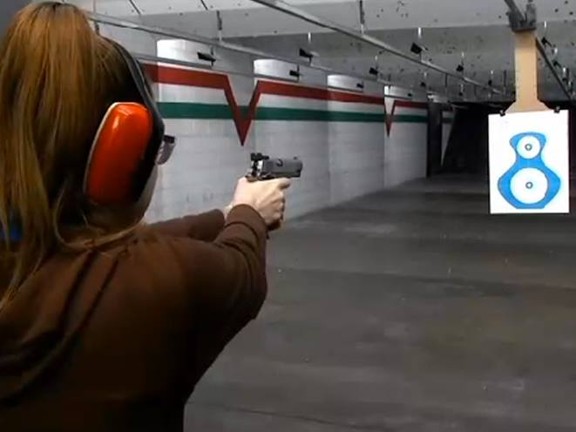
If you’re new to the range, it’s natural to wonder how to handle the kick of your gun. But that’s just a normal element in the world of shooting sports. The kick is called recoil and managing it properly will make a huge difference in your experience. The team at H&H Shooting Sports loves helping people in Oklahoma City learn the ropes. We’re here to share expert advice and recoil control techniques to make your range day as fun as possible.
Understanding Recoil in Firearms
Recoil is the backward push you feel when you fire a gun. When a bullet accelerates out of the barrel, the firearm will push backward into your hands or shoulder. Every gun has a recoil. However, the amount depends on the size of the bullet and the weight of your firearm.
Why Recoil Management Matters
Learning how to manage recoil is important for a few reasons:
- Safety – A gun that kicks too hard can slip out of your hands or bump you in the face.
- Accuracy – If you’re afraid of the kick, you might flinch before you pull the trigger. This flinch will throw off your aim.
- Fun – When you feel in control, you can relax and enjoy your time at the shooting range.
How to Manage Recoil Effectively
The secret to handling a gun’s kick is using your body to absorb the energy. Good grip and stance for recoil control are your best friends here:
- Build a Strong Stance – Stand with your feet shoulder-width apart and lean slightly forward at your hips. This stance puts your body weight behind the gun.
- Hold the Firearm Tightly – Grip the firearm firmly, but don’t squeeze so hard that your hands shake. A solid grip stops the gun from jumping around.
- Keep Your Arms Steady – If you’re shooting a handgun, push your arms out in front of you. Leave a slight bend in your elbows so that they can act like shock absorbers.
- Pull The Gun Close – If you’re shooting a rifle or shotgun, pull the stock tightly into your shoulder pocket. Leaving a gap will cause the gun to punch you.
Firearm Recoil Training Drills
Practicing at the range is the best way to improve, but firearm recoil training doesn’t have to be complicated. Try these fun and simple drills:
- The Ball and Dummy Drill – Have a friend load your magazine with a mix of live rounds and snap caps. When you fire a snap cap, you’ll instantly recognize whether you’re flinching.
- The Bill Drill – Fire multiple shots at a single target as quickly and safely as you can. This helps you practice getting your sights back on target after the gun kicks.
- Dry-Fire Practice – Practice your grip and stance for recoil control at home with an unloaded gun. This builds muscle memory without the noise and kick of real bullets.
Common Mistakes in Recoil Management
Even experienced shooters make mistakes. Here are a few things to avoid:
- Leaning Backward – Many new shooters lean away from the gun. Doing this can knock you off balance when the gun fires, so always lean slightly forward.
- Anticipating the Shot – If you expect the kick, you might push the gun down right before it fires. Let the gunshot surprise you.
- Using a Weak Grip – Holding the gun too loosely lets it snap upward, making it hard to fire a second shot quickly.
Equipment Tips for Better Recoil Control
Sometimes, a little gear goes a long way. Shooting recoil reduction is easier with the right tools:
- Recoil Pads – A soft rubber pad on the back of a rifle or shotgun absorbs a lot of the kick before it hits your shoulder.
- Muzzle Brakes – These metal devices attach to the end of the barrel. They redirect the gases from the fired bullet to push the gun forward and down.
- Heavier Firearms – A heavier gun absorbs more recoil energy than a lighter gun.
Connecting Recoil Control to Overall Shooting Performance
When you master recoil control techniques, everything else falls into place. You’ll hit your target more often because you’re not flinching, and you’ll also be able to shoot faster. Furthermore, since the gun isn’t jumping wildly, your sight drops right back onto the target, making follow-up shots quick and easy. Controlling recoil builds confidence, turning a good shooter into a great one.
FAQ About Firearm Recoil
Can a Beginner Easily Learn Recoil Management?
With a little patience and proper instruction, anyone can learn to control recoil. Starting with a smaller caliber gun makes the learning process much easier.
Does a Heavier Bullet Mean More Recoil?
Usually, yes. Heavier bullets require more gunpowder to push them, which creates a bigger backward push against the shooter.
Are Smaller Guns Easier to Handle?
Smaller and lighter guns often have more felt recoil. A heavier gun absorbs more of the shock, making it more comfortable to shoot.
How Often Should I Practice Recoil Drills?
Try to include one or two recoil drills every time you visit the range. Consistent practice is the best way to build good muscle memory.
Do Pistol Red Dot Sights Help with Recoil?
Red dot sights don’t reduce the physical kick, but they make it easier to see your target after the gun fires, helping you recover faster.
Contact Us for Handgun Expertise in OKC
The H&H Shooting Sports team in Oklahoma City loves talking about shooting recoil reduction and helping shooters find the perfect pad. Contact us for guidance today.
